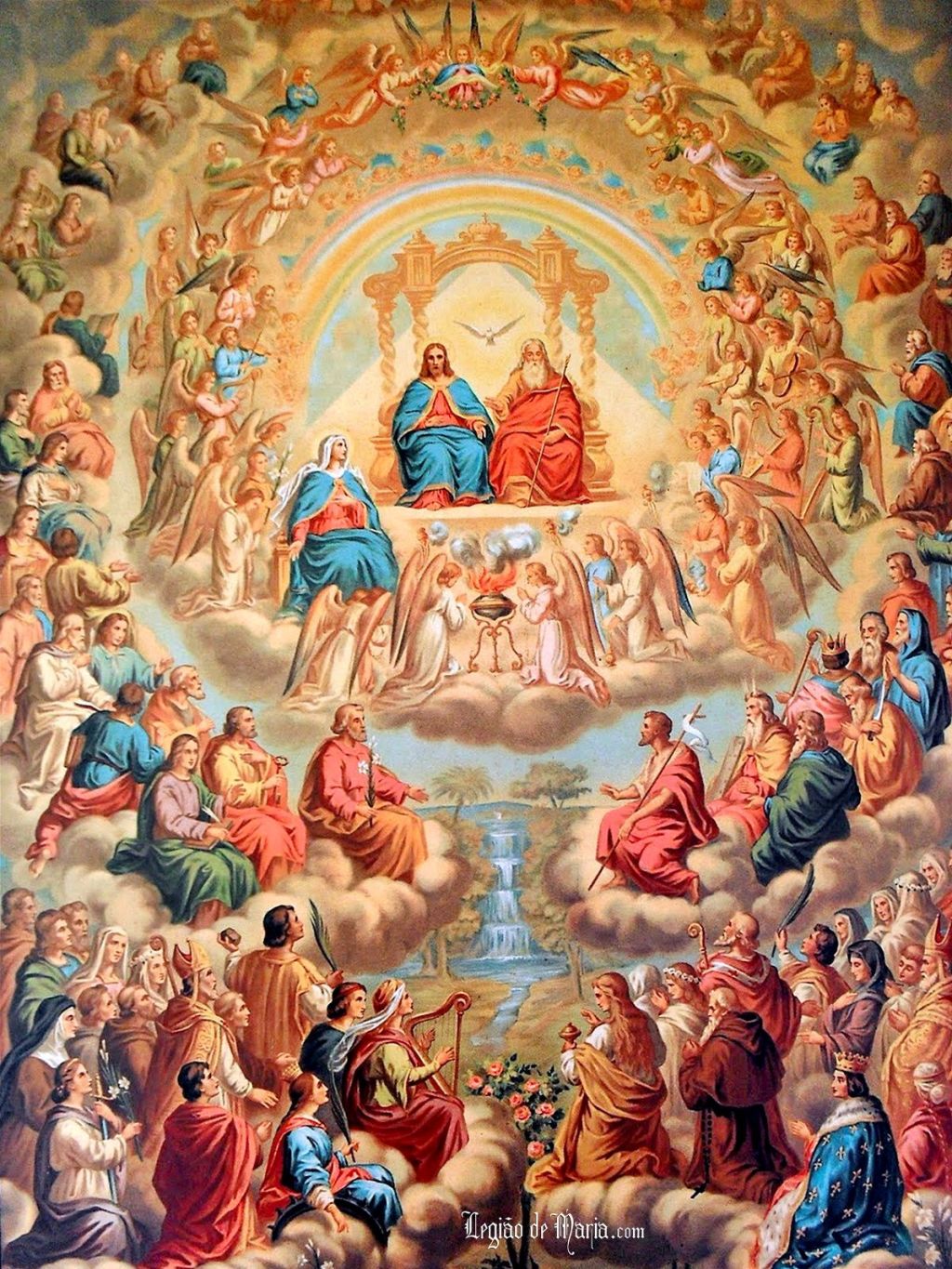
At this time of year, probably more than any other, we are surrounded by images of Angels. The ministry of angels is an integral part of the nativity story and belief in angels and their intervention into the lives of humankind is fairly common, even among the non-religious. Joseph F. Smith taught that these angelic messengers “are not strangers, but from the ranks of our kindred, friends, and fellow-beings and fellow-servants [1].” In his October 2008 conference address Elder Jeffery Holland said there was not time enough for him to give even a cursory examination of “our own latter-day history, which [is] so filled with accounts of angels ministering to those on earth [2].” We are also taught that we have the right to call upon angelic help to aid and sometimes guide us in fulfilling our purpose and our covenants according to our faith. “Neither have angels ceased to minister unto the children of men. For behold, they are subject unto him, to minister according to the word of his command, showing themselves unto them of strong faith and a firm mind in every form of godliness. And the office of their ministry is to call men unto repentance, and to fulfil and to do the work of the covenants of the Father, which he hath made unto the children of men, to prepare the way among the children of men, by declaring the word of Christ unto the chosen vessels of the Lord, that they may bear testimony of him. . . it is by faith that angels appear and minister unto men.” (Moroni 7:29-31, 37) Some angels are beings sent by the Father who have yet to obtain a body of flesh and others have already completed their sojourn on the earth, maintaining with them in heaven “their rights, their keys, their honors, their majesty and glory, and the power of their priesthood” (D&C 128:21).
Our Catholic and Orthodox brothers and sisters have a nearly identical understanding of the role of devout followers of Christ who currently reside in Heaven. Man are familiar with the traditional Christian practice of venerating Saints, what is commonly misunderstood however is what a Saint is and what it means to venerate them. The traditional church maintains that all followers of Christ are saints, consistent with the use of the word in the New Testament and refers to those who are in heaven, purgatory (a belief with similarities to our conception of spirit-prison), as well as those currently alive on earth. The canonized Saints are those that the church can confidently state are in heaven because of what is known about their lives on earth. These individuals are heroes of the faith who often sacrificed greatly for the cause of Christ on earth. These individuals are understood to be very much alive in the presence of God, “St. Justin wrote: ‘What are Christians? Christians are Christ-bearers, and, by virtue of this, they are bearers and possessors of eternal life…. The Saints are the most perfect Christians, for they have been sanctified to the highest degree … in the risen and eternally living Christ, and no death has power over them’ [3].” Veneration of these individuals is “a way to show great respect and love for the holy. It is to treat something or someone with reverence, deep respect, and honor [4]”. It is not worship and Catholics and Orthodox Christians do not pray to the Saints but with them the same way that you would ask any other friend or family member to pray with or for you [5]. The greatest similarity in LDS and Traditional conceptions of the roles of departed saints is that they can and will be sent by Heavenly Father to aid the living according to their stewardship in life.
Just as there is a rich heritage of the ministering of Angels in LDS experience, Traditional Christianity also has a very long and rich heritage of the ministering of Saints, beginning within the very first century of the faith. In fact, to be canonized (officially recognized) as a Saint an extensive body of evidence must first be gathered proving that that particular individual lived a holy life and has been sent by God to perform aid on behalf of the believers who ask for it [5]. But providing aid is not the primary function of a Saint within the body of Christ; they are firstly seen as examples of holiness and steadfast devotion to Christ, as well as our friends, and brothers and sisters in Christ [3]. In addition to our own beloved ancestors, we have access to these individuals who were bright lights of faith in the darkness brought on by the apostasy. As Latter-Day Saints we can look to the lives and testimonies of these other Saints and Angels, receive inspiration from their lives, and they live among the ranks of the other Angels that God can send to our aid.
References:
- Gospel Doctrine, Salt Lake City: Deseret Book Co., 1970, pp. 435–36.
- Holand, Jeffery R. “The Ministry of Angels.” General Conference, October 2008.
- “The Place of the Lives of Saints in Spiritual Life.” Ortho Christian, pravoslavie.ru/54157.html. Accessed 13 Dec. 2024.
- “Veneration.” Orthodox Wiki, orthodoxwiki.org/Veneration. Accessed 13 Dec. 2024.
- “Frequently Asked Questions about Saints.” Catholic Online, http://www.catholic.org/saints/faq.php. Accessed 13 Dec. 2024.

 Discovering the Saints
Leave a comment