
A major (in fact the most important) holiday on the Christian calendar is that of Easter which has a period of preparation leading up to it. This period is called Lent and was a major factor influencing the development of Advent which at one time was called “little lent”. But before Lent we have Carnival, a period of celebration after Christmas where communities used to gather together often for songs and folk dances to pass away the dark winter days. This was not the Carnival as we would think of it now with images of scantily clad women, parades, drunkenness, and general excess.
Between the joyful season after Christmas and the more somber season of preparation for Easter are two days to transition us called Shrove (or Fat) Tuesday and Ash Wednesday. These days are unique to the Catholic tradition and do not appear in the Orthodox cycle of the church year. Because the season of Lent is based off Easter, which changes from year to year, the exact dates for Shrove Tuesday and Ash Wednesday can vary as well, usually falling in February or March.
Shrove Tuesday
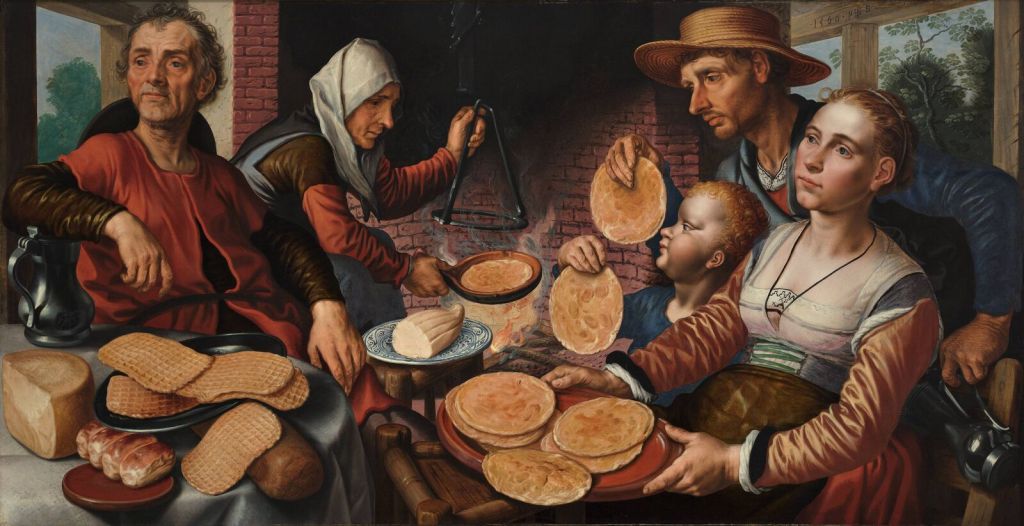
Because the season of Lent is a period of fasting it became common for people to purge their homes of rich animal products such as butter, eggs, and animal fat. This often resulted in the baking of rich, sweet foods for Mardi Gras (French for “Fat Tuesday”) like King Cakes, or pancakes in the case of the British Isles. This was accompanied with parties and other celebrations.
For Catholics this is also a day to be spent in seeking reconciliation with others in order to prepare their hearts for Lent. This is where the word “shrove” comes from, meaning to “shrive” or confess sins.
Ash Wednesday
The next day Catholics will attend a special service at some point in their day to receive the ashes. The ashes are from the previous year’s Palm Sunday fronds that have been burned and mixed with consecrated oil. During the service the priest sprinkles consecrated water on the ashes before individuals line up to have a cross etched on their forehead with the ashes by the priest.
The tradition is known to have been practiced as far back as the eighth century and is rooted in the practice of public repentance of those who had sinned against the entire community. The use of ashes as a sign of repentance is a well-recognized Old Testament symbol as well.
As individuals receive the ashes of repentance the priest speaks over them the words from Genesis 3:19 “remember that you are dust and to dust you will return”. This is not only a solemn reminder of our mortality and need for repentance but also of the promises made to Adam and Eve of the redemption, as represented by the consecrated water and oil that had been mixed with the ashes.
This beautiful and simple ceremony marks the beginning of the season of Lent when Christians around the world commit to increase their focus on repentance and spiritual preparation for the memorial of Christ’s sacrifice and triumph over death.
There is a beautiful book written by Maria Von Trapp (yes, THAT Maria Von Trapp) about how her family has celebrated the cycle of the church year. You can read an excerpt here where she shares her feelings on the importance of Carnival (Shrove/Fat Tuesday) as part of the cycle of the year which, when spent well, will lead into spending Lent well.
- Catholic Culture – Fat Tuesday
- Catholic Culture – Ash Wednesday
- My Catholic Life – Reflection on Ash Wednesday
Activities for Families and Individuals
- Have a pancake party on Shrove Tuesday and have everyone share what they will be giving up for Lent and a devotional about Christ’s 40 day fast in preparation for his ministry or other topic that feels appropriate for your gathering.
- Go to your local Catholic church for an Ash Wednesday service
- Set up a Lenten Display – much like an Advent wreath, this display will help to mark time and will be a visual reminder of what we are focusing on as we prepare for Easter. See an example at Catholic Icing.
- Set your Lent intentions – give up something, increase your devotional or prayer time, and commit to acts of service or charity.
- Use as a meditation or inspiration for prayer the following prayer written by Jason K. for the Mormon Lectionary Project at By Common Consent.
- O God of abundance, Creator of all that nurtures us,
Giver of breath and Pulse of our hearts’-blood:
we come before you in a spirit of repentance
as we take the first steps of our Lenten journey,
not forsaking the things of life that you have given,
but leaving behind all that chokes your life in us.
Cleanse us, we pray, from whatever stops the flow of love
as it runs in eternal circuit from you to us and back again.
Fill, O Lord, these newly empty places in our lives
with the riches of the Holy Spirit,
that we may learn to love ourselves as you love us
and then learn to love others as you love them,
and, loving them, find that we at last love you.
May our fast so feed our souls with love for all people,
that we may be one as you also are one,
Father, Son, and Holy Spirit, One God. Amen.
- O God of abundance, Creator of all that nurtures us,
Art: The Pancake Bakery, 1560, Pieter Aertsen. The Ashes Ceremony in a Rome Church, 1844, Granet, François Marius

 Discovering the Saints
Leave a comment